A bi-directional amplifier (BDA) is an in-building signal booster that keeps public-safety radio working where the structure itself blocks it. Firefighters, police and EMS rely on portable radios inside a building; concrete, steel, Low-E glass and below-grade levels attenuate those signals badly, and a radio that works in the parking lot can be dead in a stairwell.
A BDA takes the donor signal from outside, amplifies it, and distributes it through a DAS (distributed antenna system) of coaxial cable and antennas inside the building. Systems are specified by frequency band — VHF, UHF, 700/800 MHz — which must match what the local jurisdiction's agencies actually use.
These are code-driven purchases: many jurisdictions require an emergency responder radio coverage system, verified by survey, before a certificate of occupancy is issued. Confirm the required bands, gain and battery backup with the local fire authority before selecting equipment, since acceptance testing is done against their standard, not the manufacturer's.
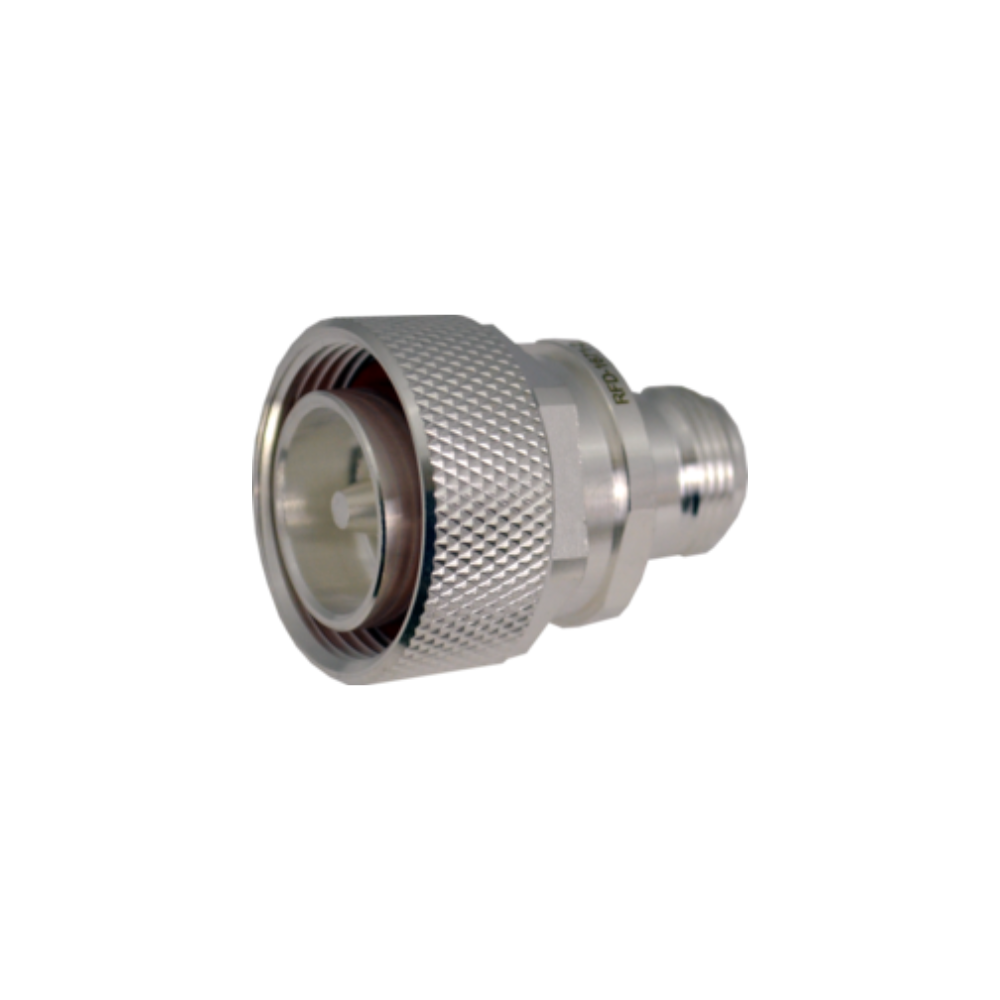
Westell CS60-5612-04 Adapter 7-16 DIN M/NF
Westell CV04-500-629 VHF-SPD2 2-Way Wilkinson Power Splitter, 138-960 MHz, 50 W, N Female
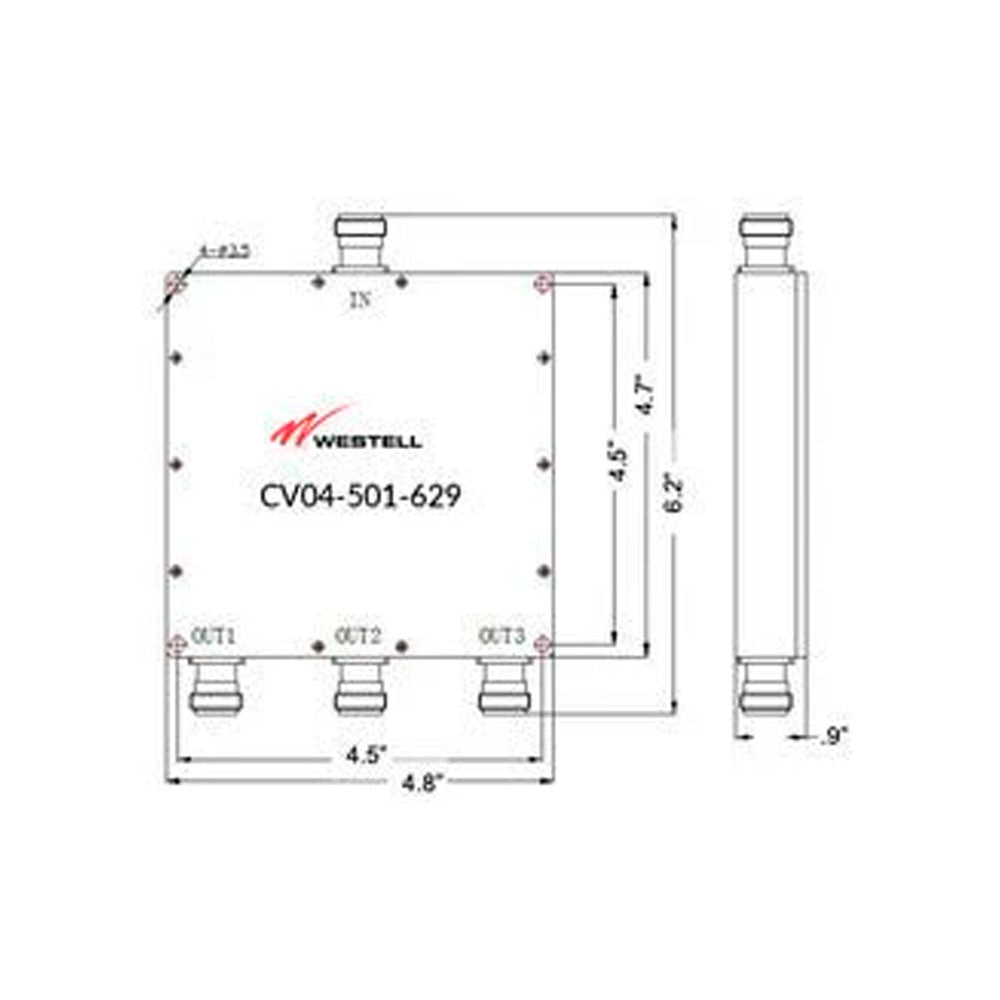
Westell CV04-501-629 3-Way Wilkinson Power Splitter
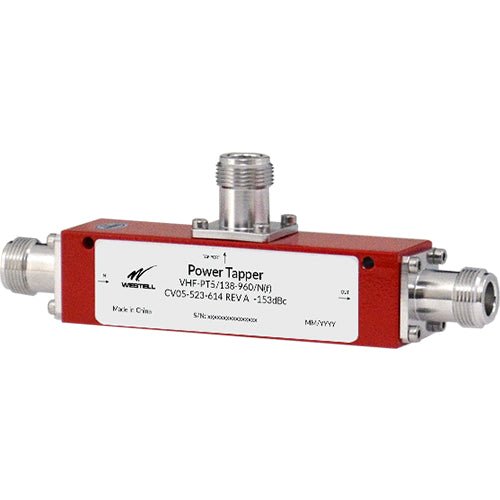
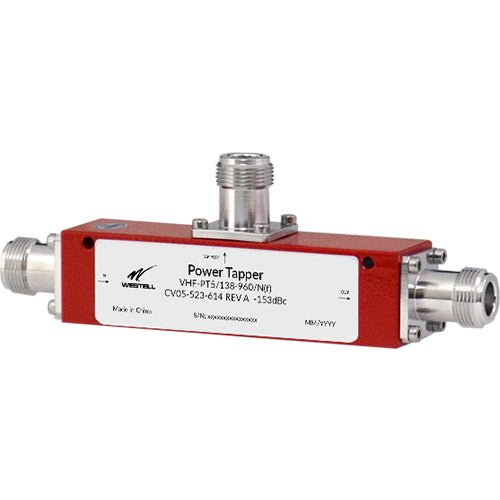
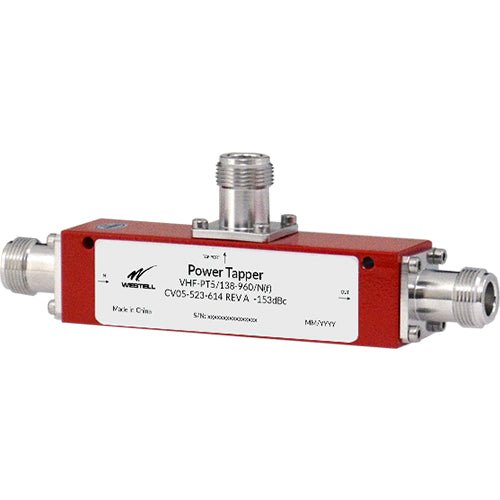
Westell CV05-523-614 5dB Power Tapper, 138-960MHz -153 PIM
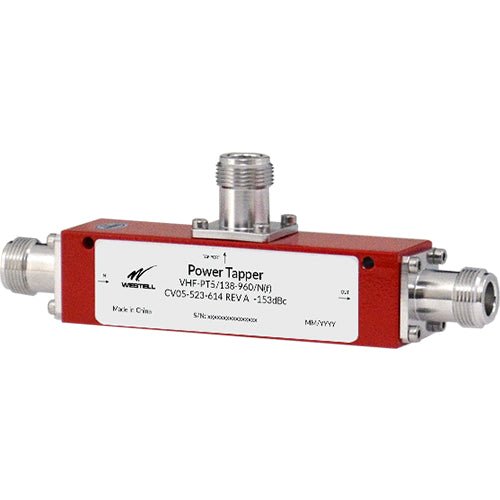
Westell CV05-524-614 6dB Power Tapper, 138-960MHz
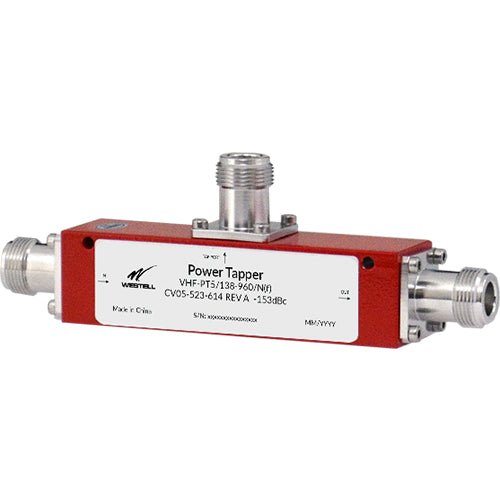
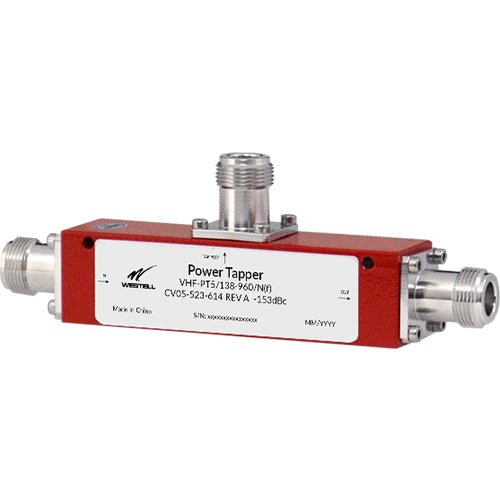
Westell CV05-527-614 10dB Power Tapper