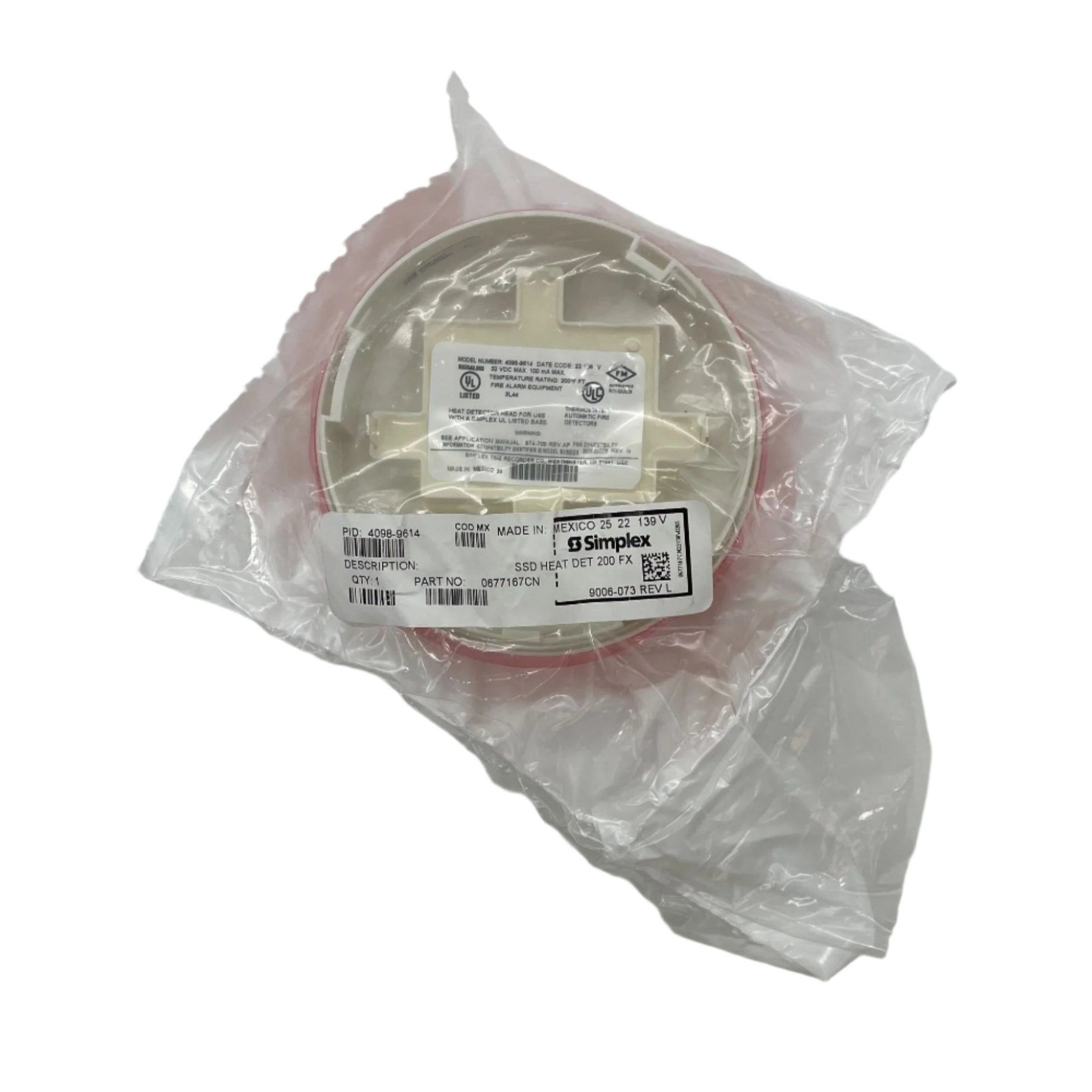
Heat detectors respond to temperature rather than smoke, which makes them the right choice in places where a smoke detector would nuisance-alarm: kitchens, garages, boiler rooms, laundries, attics, loading docks and dusty or fume-laden industrial spaces.
Two mechanisms cover most applications. Fixed-temperature detectors trigger when the air at the detector reaches a set point — commonly 135°F or 190°F, with the higher rating used where ambient temperatures are normally elevated. Rate-of-rise detectors trigger on a rapid temperature climb even before the fixed point is reached, catching fast-developing fires sooner. Many detectors combine both.
Choose the rating by the room's normal maximum temperature, not by the fire you expect: a detector rated too low will trip on a hot afternoon, and one rated too high will sit through a real fire. Spacing is reduced compared to smoke detectors, so plan for more devices per area.
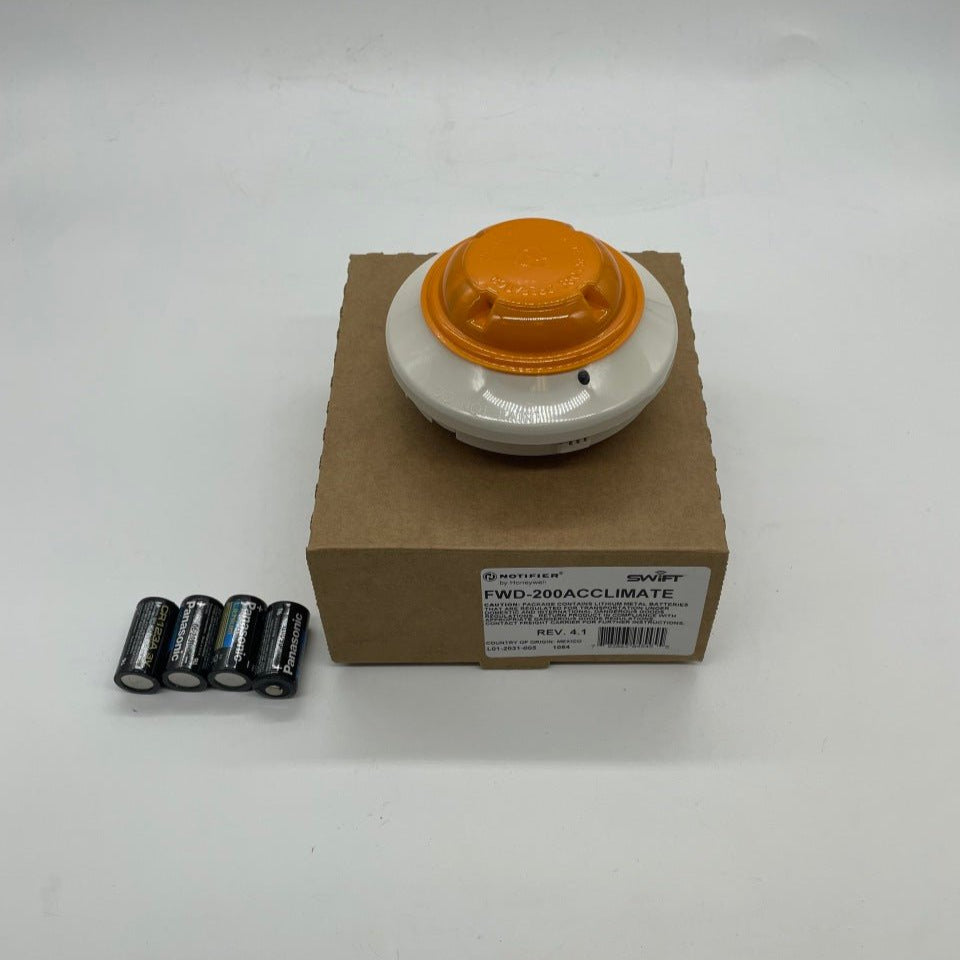
Notifier FWD-200ACCLIMATE Wireless Smoke and Heat Detector
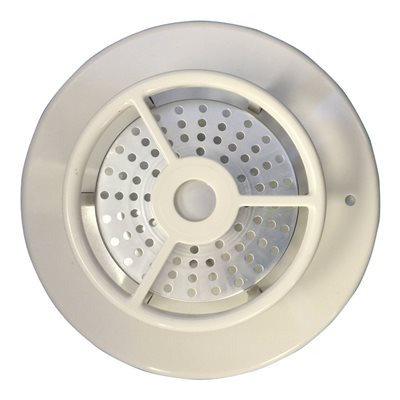
Hochiki DFE-135 Heat Detector 135 Degree Fixed Temperature
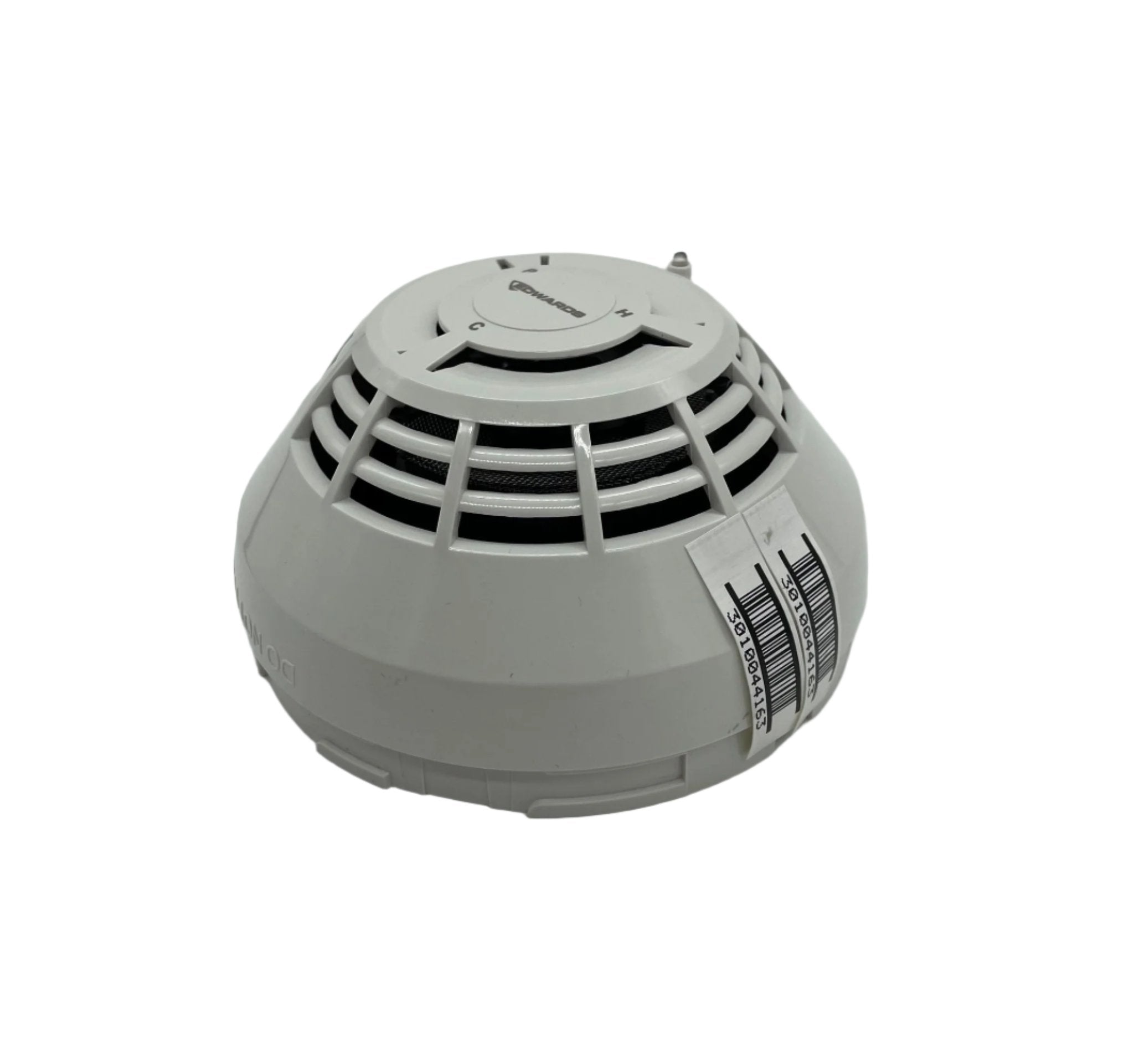
Edwards SIGA-PHCD Signature Series Intelligent Multisensor Smoke, Heat and CO Detector

Edwards SIGA-H2D Intelligent Fixed Temperature Heat Detector
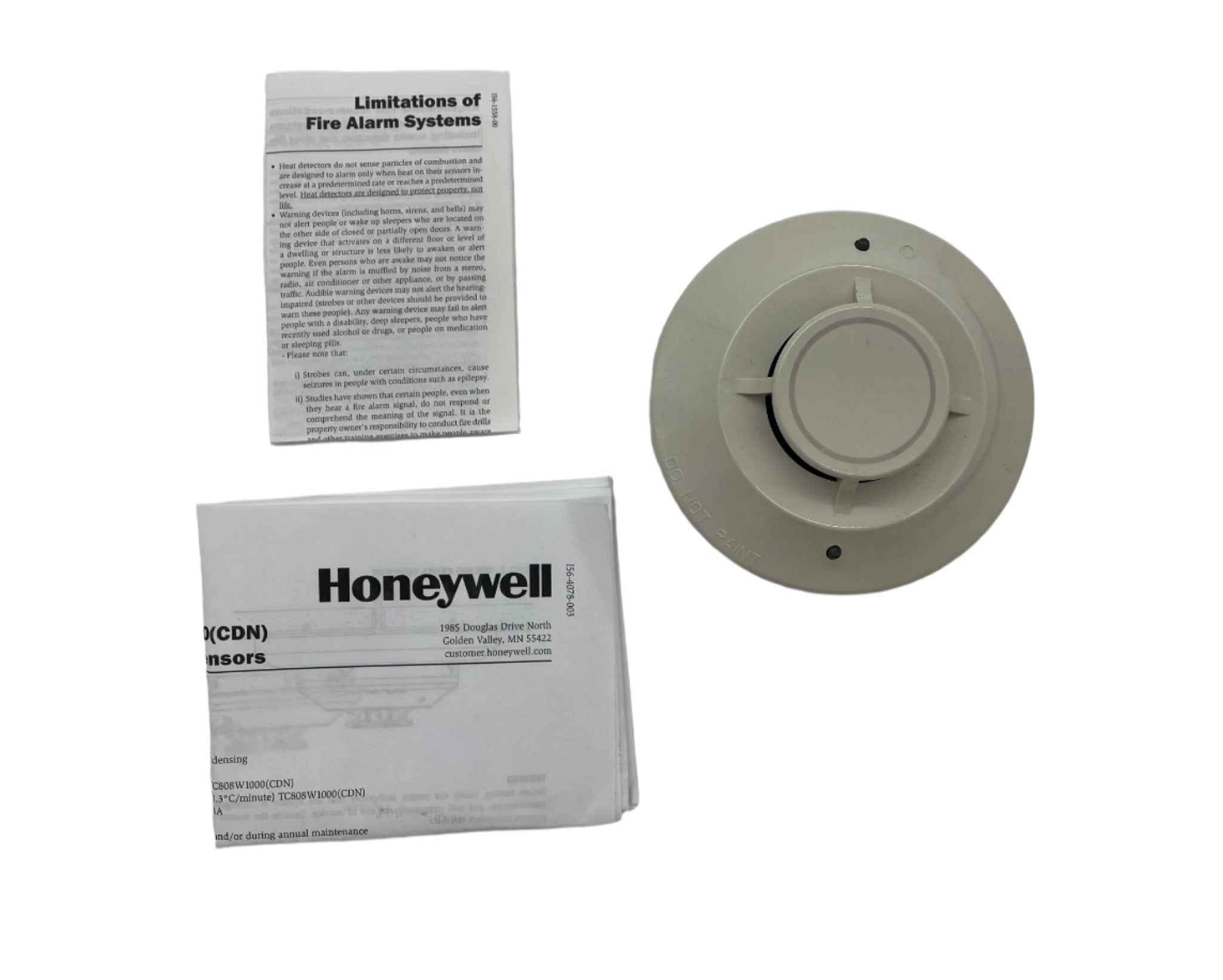
Honeywell TC808W1000 Wireless Heat Intel RATE-OF-RISE Hwell
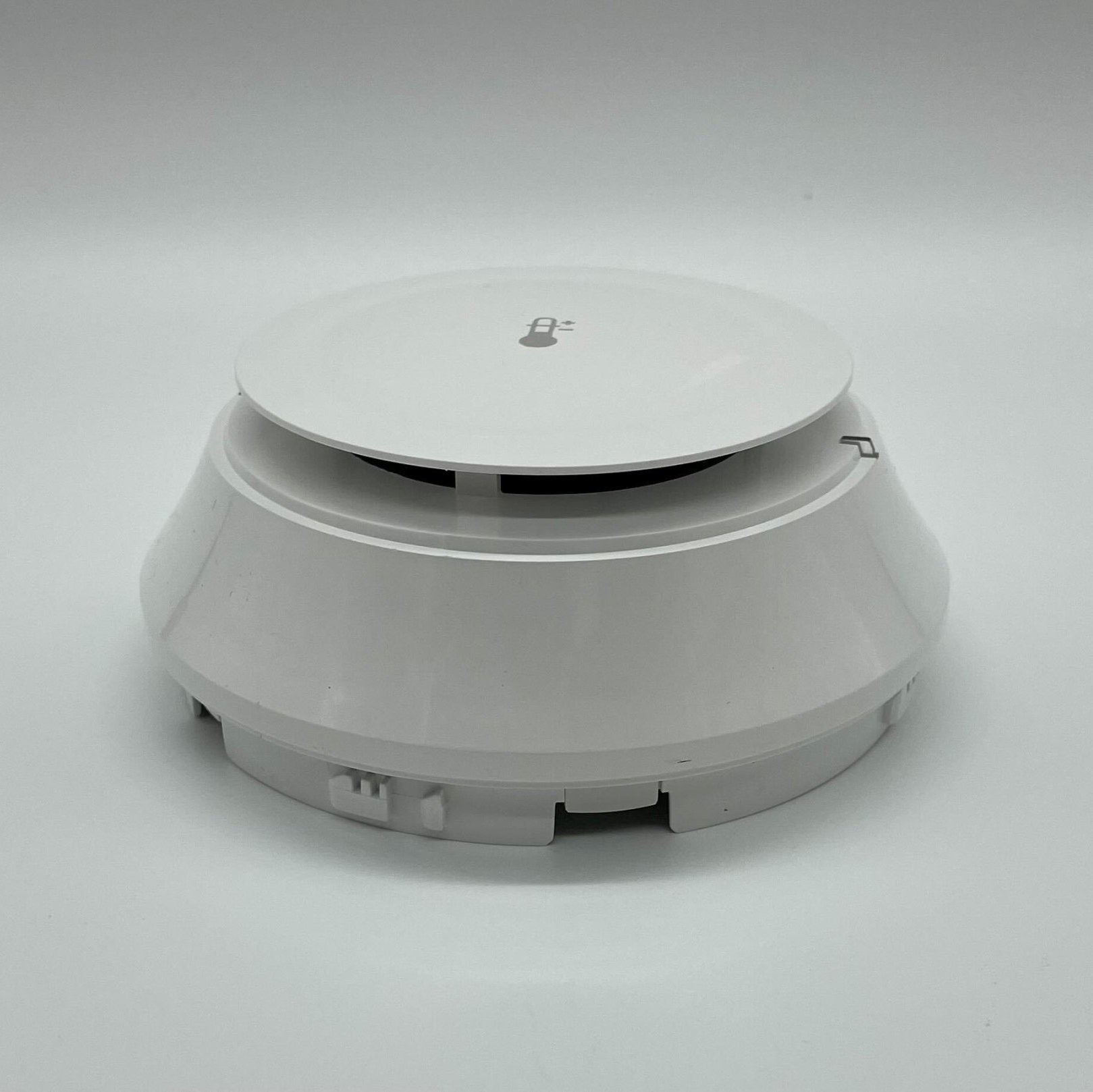
Mircom MIX-5351RAP Thermal Sensor Fixed Heat and Rate of Rise
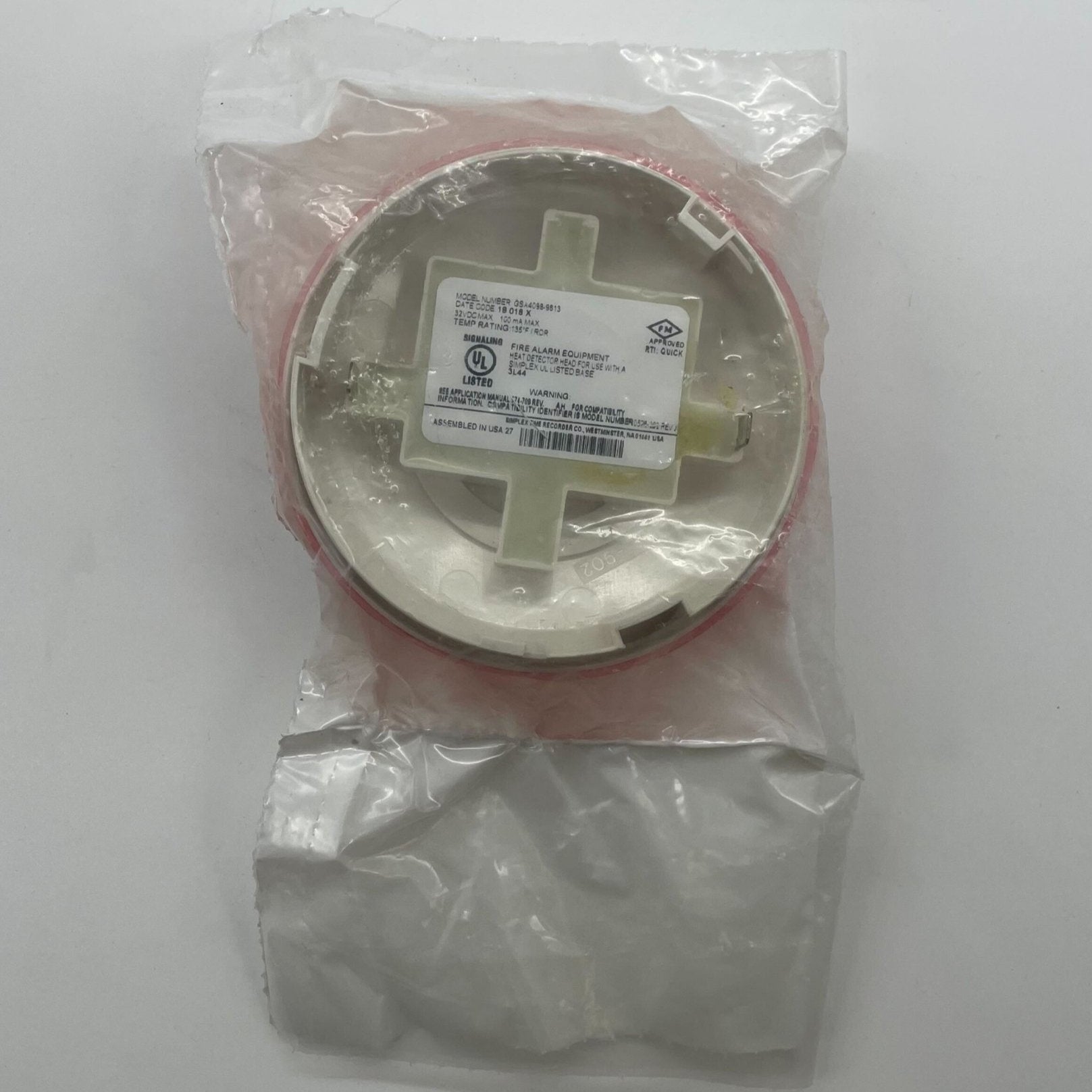
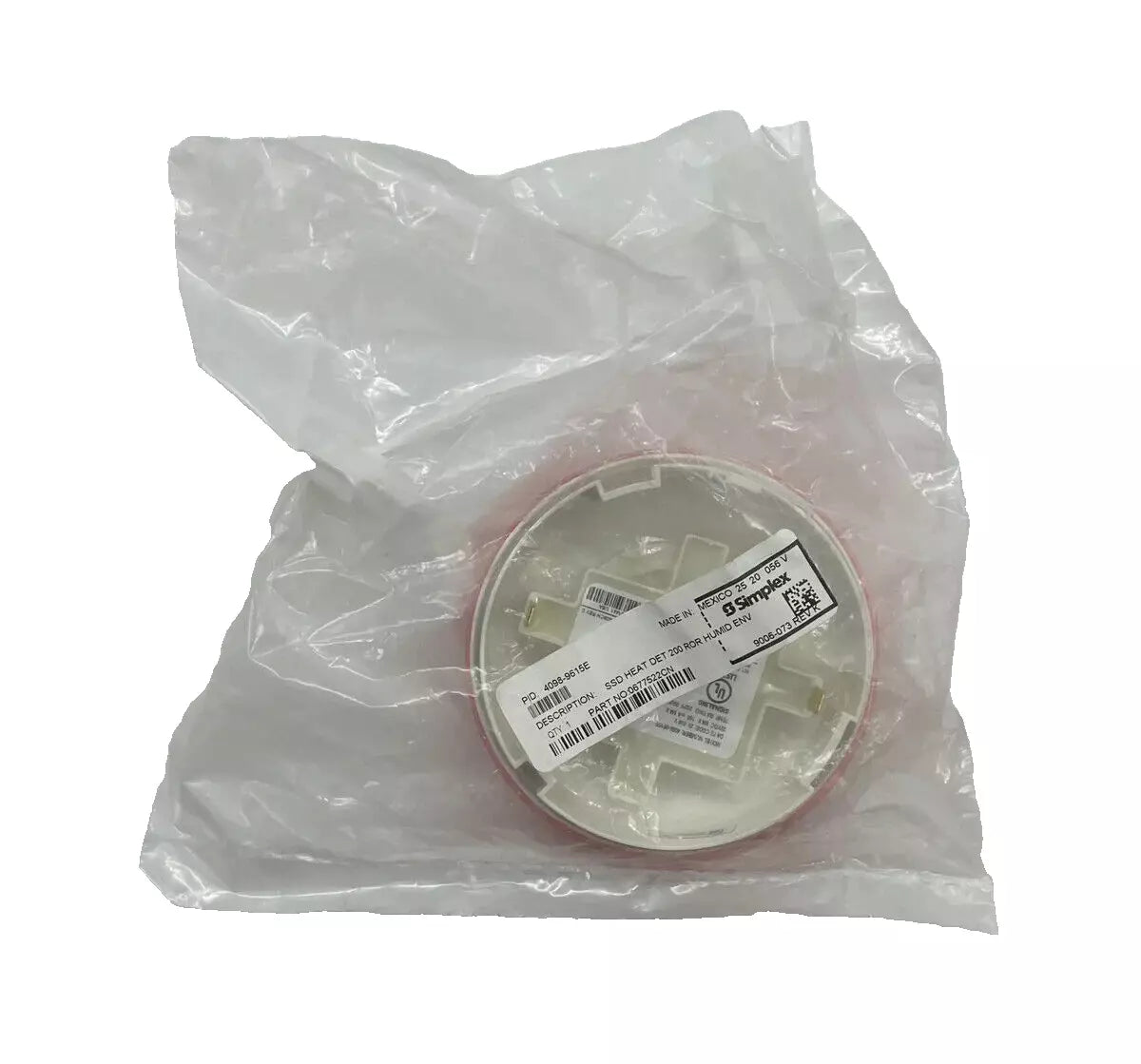
Simplex 4098-9615E SSD Heat Detector 200 ROR