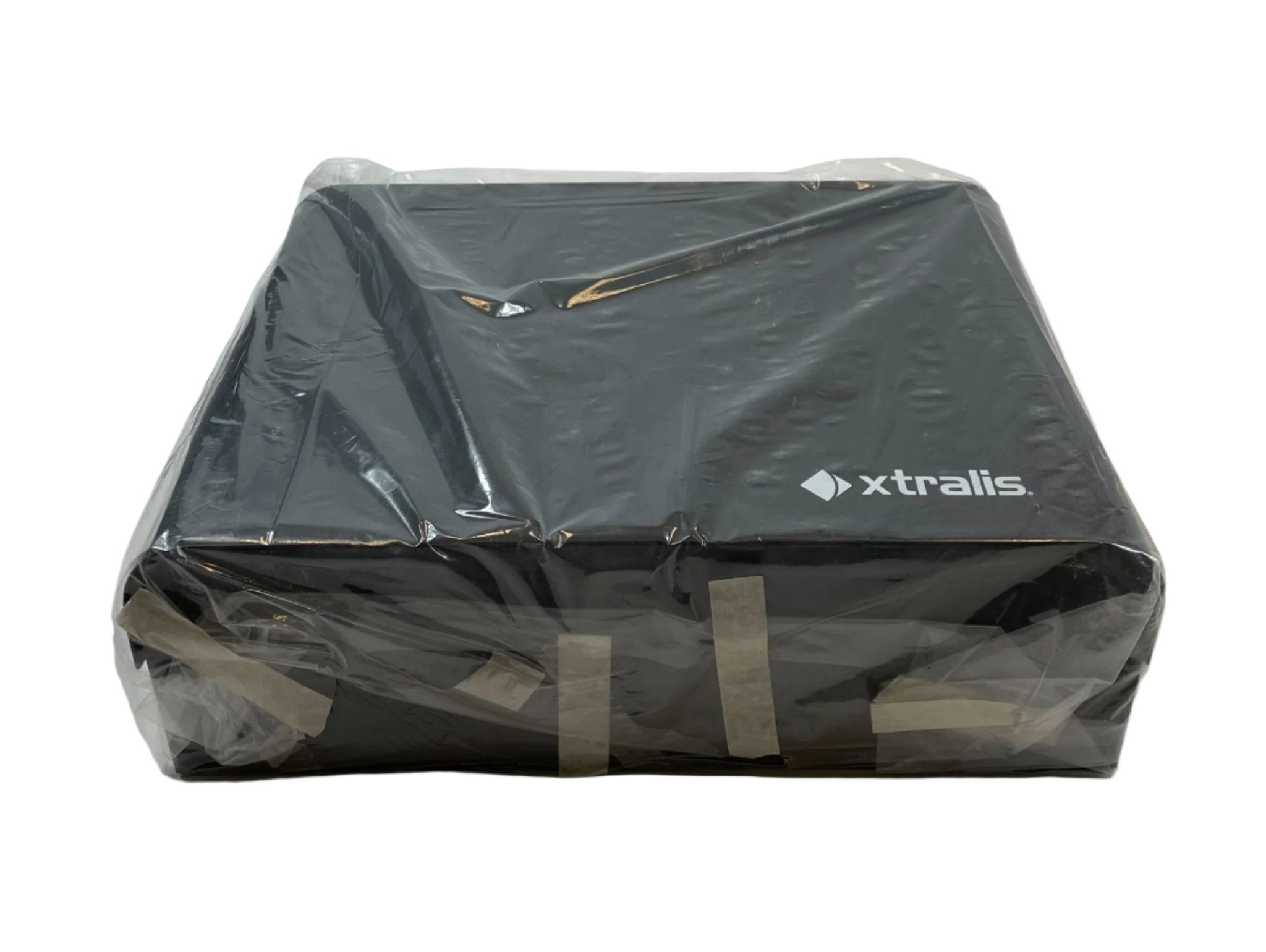
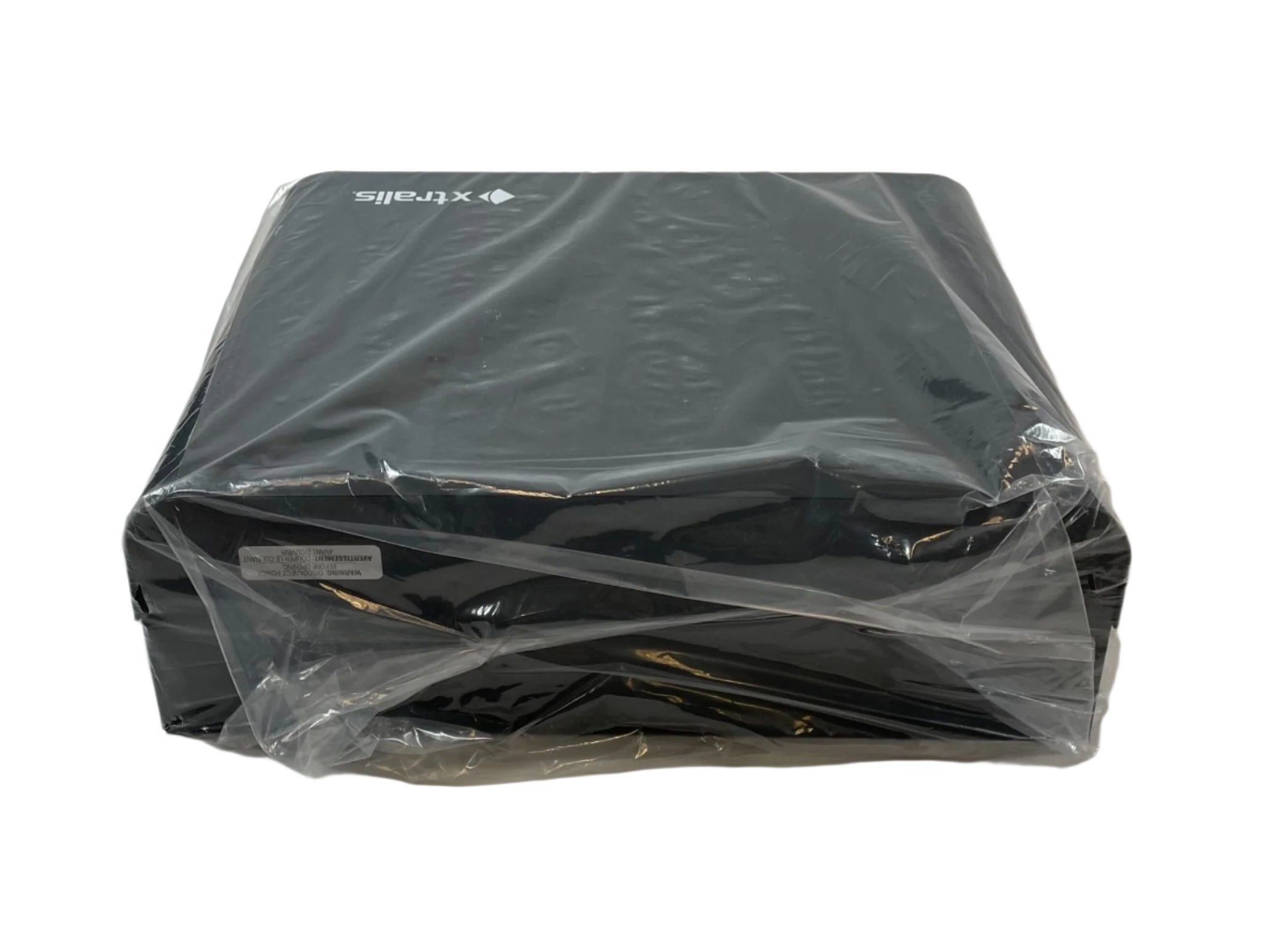
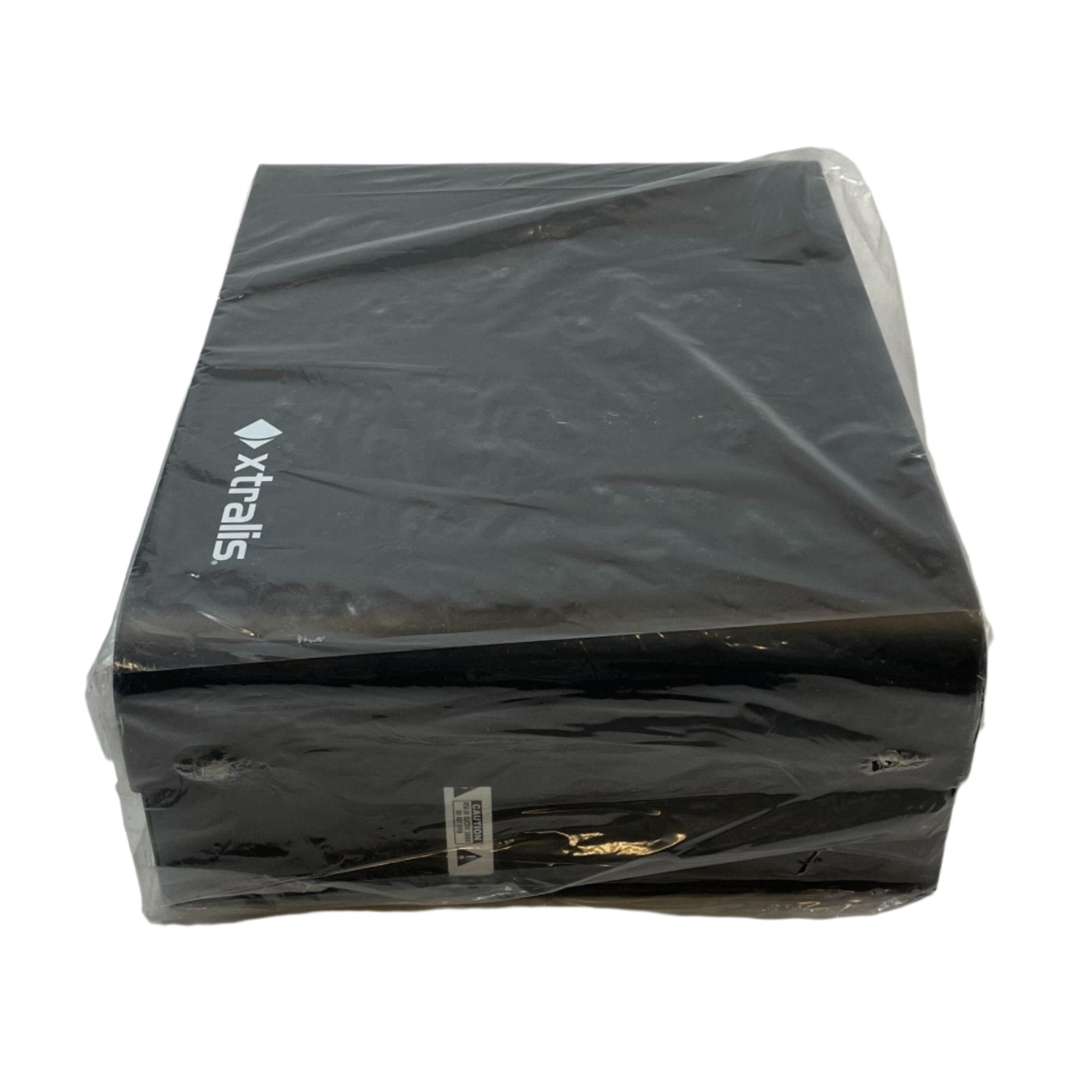
Dedicated power for VESDA-E VEA aspirating detection comes from the VPS-VEA-115UL power supply StaX. It converts 120 VAC to 24 VDC nominal operating power for the VEA detector and VEA Relay StaX, and it charges and supervises the standby batteries. It is intended for applications requiring UL and ULC fire protective signaling certifications.
Key Features
- Filtered, electronically regulated 27 VDC output: 2.8 A continuous, 5 A alarm
- Built-in charger for sealed lead-acid or gel batteries with automatic switchover on AC failure
- AC fail, brown-out and battery supervision
- Form C fault relay for AC loss, low AC, battery loss and shorted battery or DC outputs
- Cabinet space for two 36 Ah batteries (supplied separately)
- AC input LED indicator
Specifications
-
Manufacturer: VESDA (Xtralis)
-
Part Number: VPS-VEA-115UL
-
Input: 120 VAC, 2.0 A, 60 Hz
-
Output: 27 VDC / 2.8 A continuous; 27 VDC / 5 A alarm
-
Max. Charging Current: 5.3 A
-
Max. Battery Capacity for Charging: 108 Ah
-
Trouble Relay: Form C, 2 A @ 30 VDC
-
Dimensions: 17.25" x 13" x 5.6" (438 x 330 x 142 mm)
-
Weight: 13 lb without batteries
-
Operating Temperature: 32°F to 120°F (0°C to 49°C)
-
Certifications: UL 864, ULC-S527, CSFM
Compatibility
Designed to power VESDA-E VEA detectors and VESDA-E VEA Relay StaX. A 230 VAC version (VPS-VEA-230UL) is also available.
Documents
FAQ
What does the VPS-VEA-115UL power?
It powers the VESDA-E VEA detector base unit plus up to two VESDA-E VEA detector stacks, converting 120 VAC, 60 Hz to 24 VDC nominal operating power.
Which batteries fit in the cabinet?
The cabinet has space for two 12 V, 35 Ah or 36 Ah batteries wired for 24 V. For more standby capacity, Xtralis specifies the VEA-BAT battery enclosure.
What does the trouble relay report?
A dry Form C contact transfers on AC input loss, low AC input voltage, loss of battery voltage, a short circuit of the battery leads, or a short circuit of any DC output.
Is there a 230 VAC version?
Yes. The VPS-VEA-230UL is the 230 VAC, 50 Hz model.